How to become a home organizer with no experience?

How to become a home organizer with no experience?
Becoming a home organizer with no prior experience begins with developing essential skills such as decluttering, sorting, and categorizing items. Start by organizing your own space to practice and create a portfolio of before-and-after photos. Educate yourself through online courses, workshops, or books focused on organization techniques. Networking with local organizers can provide valuable insights and mentorship opportunities. Ultimately, building a professional presence through social media and word-of-mouth can help establish your reputation in this field.
How to Become a Home Organizer With No Experience
Understanding the Role of a Home Organizer
Becoming a home organizer is an exciting journey that can help transform not only your living space but also your approach to life. A home organizer assists individuals in decluttering, simplifying their spaces, and creating efficient systems that suit their lifestyles. If you have a passion for helping others enhance their homes but lack experience, don’t worry. This guide will take you through practical steps to start your home organizing career.
Assessing Your Skills and Passion for Organization
Before diving into the world of home organizing, it’s essential to take stock of your skills and what drives your passion for this line of work. Here are some ways to assess your potential:
- Self-Reflection: Ask yourself if you enjoy the process of organizing. Recall instances where you’ve helped friends or family declutter their homes.
- Identifying Strengths: Consider if you’re detail-oriented, a good listener, or if you have a knack for problem-solving. These traits are valuable in home organization.
- Understanding Challenges: Acknowledge any fears or reservations you may have, such as not knowing where to start. Recognizing these can help you find solutions.
Learning the Basics of Home Organization
Diving into home organization doesn’t require formal training, but familiarity with some basic principles will set you apart. Here are key concepts to grasp:
- Decluttering Process: Learn the essential steps of decluttering, including sorting items, deciding what to keep, donate, or discard.
- Space Planning: Understand how to assess and optimize spaces for functionality and flow.
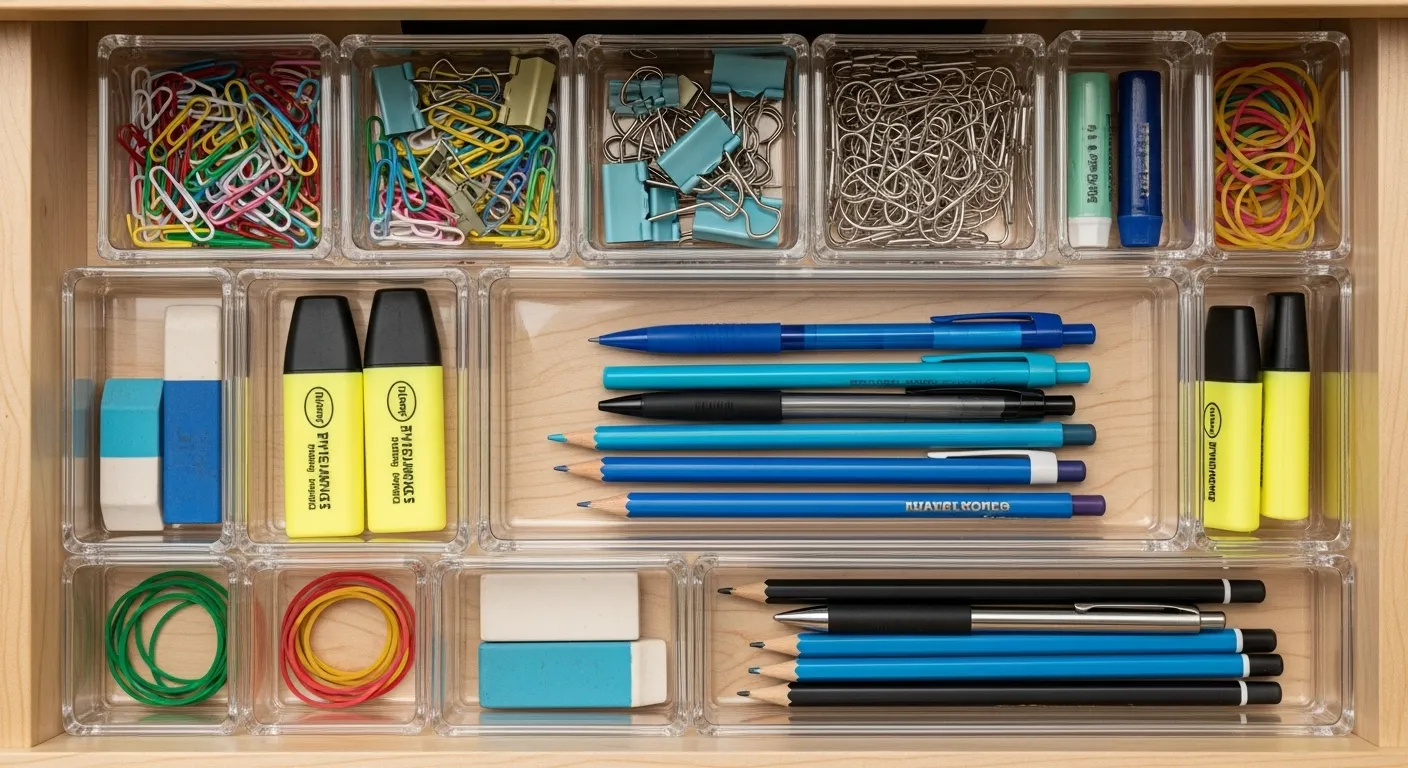
- Storage Solutions: Familiarize yourself with different types of storage options, including shelves, bins, and drawers, to recommend to clients.
- Minimalist Routines: Explore the idea of minimalism and how it can lead to a more stress-free environment.
Building Your Knowledge Through Resources
To enhance your skills and knowledge as an aspiring home organizer, leverage a variety of resources:
- Books and Blogs: Read popular organizational books, such as “The Life-Changing Magic of Tidying Up” by Marie Kondo, and follow organizational blogs for tips and inspiration.
- Online Courses: Consider enrolling in online courses that cover the fundamentals of organizing and decluttering strategies.
- Social Media: Follow home organizers on Instagram and Pinterest; these visual platforms can provide inspiration and practical ideas for setups and techniques.
Gaining Practical Experience
Once you have a foundational understanding of home organization, it’s time to gain practical experience:
- Start with Your Own Home: Apply your newfound knowledge to your living space. Document the process, as this will help you understand what works and what doesn’t.
- Volunteer for Friends and Family: Offer your services to friends or family who may benefit from your organizing skills. This can yield invaluable feedback.
- Simulate Client Scenarios: Create mock scenarios where you organize different types of rooms, such as kitchens or bedrooms, to practice diverse organizing strategies.
Creating a Portfolio of Your Work
As you begin to help individuals with their home organization needs, documenting your work is vital:
- Before and After Photos: Take photos of spaces before and after your organizing efforts. These images highlight your skills effectively.
- Client Testimonials: Gather feedback from those you’ve assisted. Positive testimonials can greatly enhance your portfolio and credibility.
- Case Studies: Create short case studies detailing the challenges clients faced, your approach, and the outcomes to showcase your thought process.
Marketing Yourself as a Home Organizer
Once you’ve built a portfolio, it’s time to get noticed! Here are strategies for marketing yourself:
- Create an Online Presence: Develop a website or social media profiles to showcase your work, share tips, and connect with potential clients.
- Network: Attend local networking events, and collaborate with professionals in related fields, such as interior designers, real estate agents, or cleaning services.
- Offer Free Workshops: Host organizing workshops in your community to demonstrate your skills and provide value to participants. This can lead to client referrals.
Establishing Effective Communication with Clients
Strong communication skills are critical for a successful organizing career. Consider these tips:
- Listen Actively: Understand your client’s needs and concerns. Make them feel heard and respected throughout the organizing process.
- Set Clear Expectations: Discuss the progress, timeline, and any limitations at the outset. Clear communication prevents misunderstandings.
- Be Empathetic: Clutter can evoke strong emotions. Approach sensitive situations with compassion and sensitivity.
Continuously Improving Your Skills
The world of home organizing is ever-evolving. Stay ahead of the curve by focusing on ongoing improvement:
- Seek Feedback: Regularly ask clients for feedback on your services and processes. Use this information to enhance your methods.
- Stay Updated: Follow trends in home organization and interior design. Adapt your strategies accordingly to stay relevant.
- Join Professional Organizations: Consider becoming a member of professional organizing associations to connect with others in the field and access resources.
Balancing Time Management as a Home Organizer
As a home organizer, you’ll need strong time management skills to juggle your projects effectively:
- Time Blocking: Use time blocking techniques to allocate specific hours for organizing projects, client meetings, and personal time.
- Prioritize Tasks: Classify tasks based on urgency and importance. Focus on high-impact projects that can yield significant results.
- Set Realistic Goals: Establish practical goals for each organizing project; this keeps you motivated and helps clients stay engaged as well.
Final Steps Toward Becoming a Home Organizer
Embarking on a new career as a home organizer may seem daunting at first, especially without experience. However, by following these outlined steps, practicing your skills, and refining your approach, you can cultivate a successful organizing business that brings clarity and calm to people’s lives. Remember, the journey is just as important as the destination, and every effort you make contributes to your growth as a professional.

Related Articles
Our Categories:
-
⭐ Organization & Practical Living: Seu guia fundamental para criar um lar funcional, implementar sistemas de eficiência e construir uma vida cotidiana mais organizada e livre de estresse.
-
🏠 Home Organization: Guias fundamentais e planos sistemáticos para organizar cada cômodo, garantindo um layout de casa eficiente e livre de desordem.
-
✨ Decluttering Tips: Estratégias acionáveis, conselhos de especialistas e métodos passo a passo para simplificar seu espaço, reduzir pertences e manter uma mentalidade minimalista.
-
🧼 Cleaning Routines: Checklists eficientes, truques de limpeza rápida e recomendações de produtos sustentáveis para manter uma casa limpa e brilhante sem estresse.
-
📦 Storage Solutions: Ideias criativas e práticas para maximizar cada centímetro de espaço, utilizando armazenamento vertical e investindo em recipientes inteligentes e funcionais.
-
🗺️ Room By Room Guides: Tutoriais detalhados e específicos, e checklists para organização profunda e estilo de áreas individuais como cozinha, quarto e hall de entrada.
-
💡 Daily Life Hacks: Dicas rápidas e inteligentes, e ajustes simples na rotina diária que economizam tempo, aumentam a energia e tornam a vida cotidiana mais fácil de gerenciar.
-
⏳ Time Management Basics: Métodos simples e técnicas fundamentais para planejar, priorizar tarefas, definir metas e implementar o time-blocking para maximizar a produtividade.
-
✅ Checklists And Planners: Modelos para impressão, ferramentas e sistemas para planejar refeições, manutenção doméstica, mudança e rastreamento de tarefas para manter a vida funcionando perfeitamente.

How to Become a Home Organizer with No Experience
Are you passionate about creating tidy, organized spaces and looking for a way to turn that passion into a fulfilling career? Becoming a home organizer is an excellent opportunity, even if you have no prior experience. In today’s world, professional organizing is gaining popularity as more people seek to simplify their lives. With the right approach and a strong desire to help others, you can launch your own organizing business and find financial success while doing something you love.
Steps to Get Started
To start your journey as a home organizer, consider the following steps:
- Research and learn about organizing techniques.
- Practice organizing your home and offer help to friends or family.
- Create a portfolio showcasing your work.
- Network with potential clients through social media and local events.
- Consider taking courses in professional organizing.
- Market your services online and set competitive pricing.
Conclusion
In conclusion, becoming a home organizer with no experience is achievable through dedication and learning. By developing your skills, creating an online presence, and networking, you can establish yourself in this rewarding field. The demand for home organizers is increasing, and this is an opportune moment to capitalize on your passion for organization. Invest in yourself and watch as your business and finances grow, allowing you to make a positive impact in the lives of your clients.
FAQs
What qualifications do I need to become a home organizer?
You don’t need formal qualifications, but courses in organizing can be beneficial. Experience in organizing your space is key.
How do I find clients without experience?
Start by offering your services to friends and family, and ask them for referrals. Social media is also a powerful tool for reaching potential clients.
What services can I offer as a home organizer?
You can offer decluttering, system organization for rooms, packing/unpacking services, and personalized consulting.
How much should I charge for my services?
Research local rates for professional organizers. New organizers typically charge between $30 to $75 per hour, but this can vary.
Should I create a website for my organizing business?
Yes, a website enhances your credibility and allows you to showcase your portfolio, services, and client testimonials.
How do I market my home organizing business?
Utilize social media platforms, create engaging content, join community groups, and network with other professionals in related fields.
What if I’m not naturally organized?
Organizing can be learned! Study different methods and practice regularly to develop your organizing skills.
Are there certifications for professional organizers?
While certifications are not mandatory, programs like the National Association of Productivity and Organizing Professionals (NAPO) offer valuable training.
Can I specialize in a particular area of organizing?
Definitely! You can focus on areas such as kitchens, home offices, or downsizing for seniors, to differentiate yourself.
How do I handle difficult clients?
Maintain professionalism, listen to their needs, and establish clear boundaries and expectations upfront to avoid misunderstandings.
What tools do I need to start organizing?
Invest in basic organizing supplies like bins, labels, tape measures, and cleaning products to effectively assist your clients.
Can I work part-time as a home organizer?
Yes, many people start organizing businesses part-time while maintaining other jobs. Flexibility is one of the benefits of this career.
What are the biggest challenges of being a professional organizer?
Challenges include managing time effectively, emotional client interactions, and maintaining a steady stream of clients, especially at the start.
How can I improve my organizational skills?
Read books on organizing, attend workshops, and constantly practice organizing various spaces in your own home and for others.
Is there a demand for home organizers?
Yes, demand is growing as more people seek to declutter and simplify their lives, making it a great time to start your organizing business.